
The lease obligations, maintenance responsibilities, and compliance requirements change depending on your property type. DPM manages them accordingly.

This service is for rental property owners in Sarnia and Lambton County who handle their own day-to-day management but need someone on the ground to catch what they can’t see
from a distance.
Owners who contact DPM have usually learned the hard way that property type matters. Here is what we hear most:
A lease clause that doesn’t hold up under Ontario law leaves you maintaining a property the tenant was supposed to look after. A condo placed without the corporation’s rules built into the front end means the first violation puts a fine on your record, not theirs.
These are not edge cases. They happen regularly when a property manager applies a standard process to a property type it wasn’t designed for. The cost is usually discovered mid-tenancy, when your options are limited.
What Ontario law requires of you depends on what you own. The lease structure, the maintenance obligations, and what can and can’t be assigned to a tenant are all different depending on your property type. We manage to those specifics, not to a generic checklist.
The yard clause in your lease will not save you
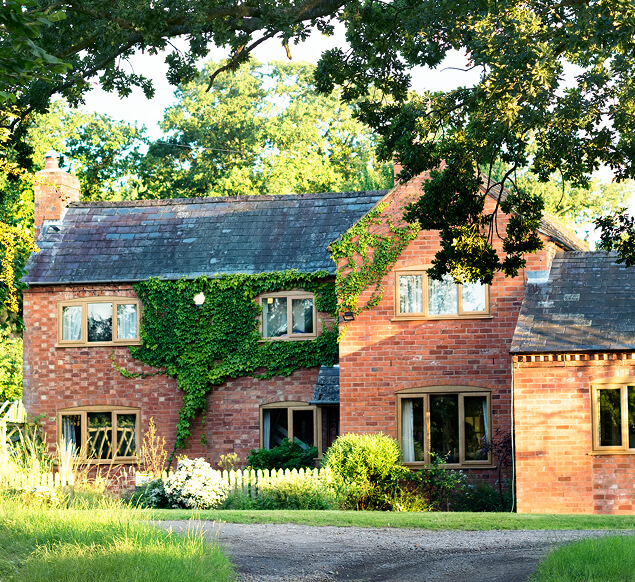
Most owners who rent out a house write yard and exterior maintenance into the lease and assume the tenant is now responsible. That clause is valid, but it has a ceiling. Ontario law places ultimate maintenance responsibility on the owner regardless of what the lease says. If the tenant lets the yard go, you are still the one the bylaw officer calls.
We set a realistic maintenance budget with you before a tenant is placed so the property stays maintained year-round. You are not learning this lesson mid-tenancy when the neighbours are
already complaining.
Shared spaces are always your bill, not the tenant’s
When you own a property with more than one unit, shared spaces are an owner obligation that cannot be assigned to tenants through a lease. Grass, snow removal, common area cleaning, and the upkeep of shared entrances and hallways are yours to manage and yours to pay for, regardless of what any lease says.
We budget for these costs before a tenant is placed. They are not a surprise every time it snows.
When your tenant breaks a rule, the fine comes to you
This is where most property managers and realtors create problems for condo owners without knowing it. Condo corporations have their own rules. When a tenant violates them, the fine is issued to the owner, not the tenant. We have seen it cover no-smoking rules that apply to sitting in your car on the premises, pet policies that specify where a dog can relieve itself, and propane restrictions that mean a tenant on the 11th floor walks their tank up the stairs.
We integrate the condo corporation’s rules into the lease before a tenant signs. We review which rules apply to the tenant specifically, brief them on those, and build the obligations into the agreement. The tenant knows what applies to them. You do not get the call from the board.
Whether it is freehold or condo-governed changes everything
A townhome can be freehold or part of a condo corporation, and that distinction determines how the property is managed before a tenant ever moves in. If it’s condo-governed, the corporation’s rules go into the lease the same way they do for a condo unit. If it’s freehold, it is managed like a single-family home with the same maintenance structure and lease obligations.
We confirm the governance structure before placement. Nothing is discovered after the tenant is already in.

You are not hit with condo corporation fines for a tenant who didn’t know the rules because they were never told
You are not arguing with a tenant about yard maintenance you put in the lease but cannot enforce the way you assumed
You are not absorbing common area costs for a multi-unit property mid-year because no one budgeted for them
You have documentation that the right rules were built into the front end, which matters if a dispute reaches the LTB
Your property type is managed correctly from day one, not corrected after the first problem

Calling Monique Vanier @ Dream Property Management was the best experience I have had with my rental house so far. She was professional, honest and great to deal with. She answered all my questions and had some great input to help with the process. She was quick and I felt at ease with her knowledge. I highly recommend her and her team if you have property to rent out or looking to rent. Five star review and can’t wait to work with her again in the future!


We talk through your property type, your current situation, and what full-service management looks like for what you own. No charge, no obligation.

Contract signed, lease structured for your property type, Buildium files built, welcome letters sent to you and your tenant. Your portal is live within days.

From here, we handle every aspect of the rental relationship with the specific obligations of your property type already built in. You receive regular reports, get notified before any cost hits, and hear from us when a real decision needs you.
Dream Property Management manages single-family homes, duplexes, triplexes, condos, and townhomes in Sarnia, Lambton County, and across Ontario. The management approach is adapted to the specific legal and maintenance obligations of each property type under Ontario’s Residential Tenancies Act.
The owner is responsible for common area maintenance in a multi-unit rental property, including grass, snow removal, and shared entrance upkeep. These obligations cannot be assigned to tenants through a lease and must be budgeted for as an ongoing ownership cost under Ontario’s Residential Tenancies Act.
The fine goes to you, the owner. Not the tenant.
Before we place anyone, we go through the condo corporation’s rules, pull out what applies specifically to the tenant, and make sure they understand it before they sign. A lot of managers hand over the full document and call it done. We separate out what is actually the tenant’s responsibility so there are no surprises on either side.
A lease can assign yard maintenance responsibilities to a tenant in Ontario, but the owner remains ultimately responsible under the Residential Tenancies Act. If the tenant does not maintain the yard, the owner is still required to address it. DPM builds a realistic maintenance budget into every single-family arrangement for this reason.
Yes. A freehold townhome is managed like a single-family home, with the owner responsible for exterior maintenance. A condo-governed townhome is subject to condo corporation rules, which DPM integrates into the lease before a tenant is placed. The governance structure is confirmed before placement so nothing is missed.
Whether you own one rental home or a mix of property types across Sarnia and Lambton County, we can help. Book a call, and we will tell you exactly what management looks like for what you own and whether anything in your current setup needs to change.